Scholar Stories
A journey of doubt, struggles and inclusion

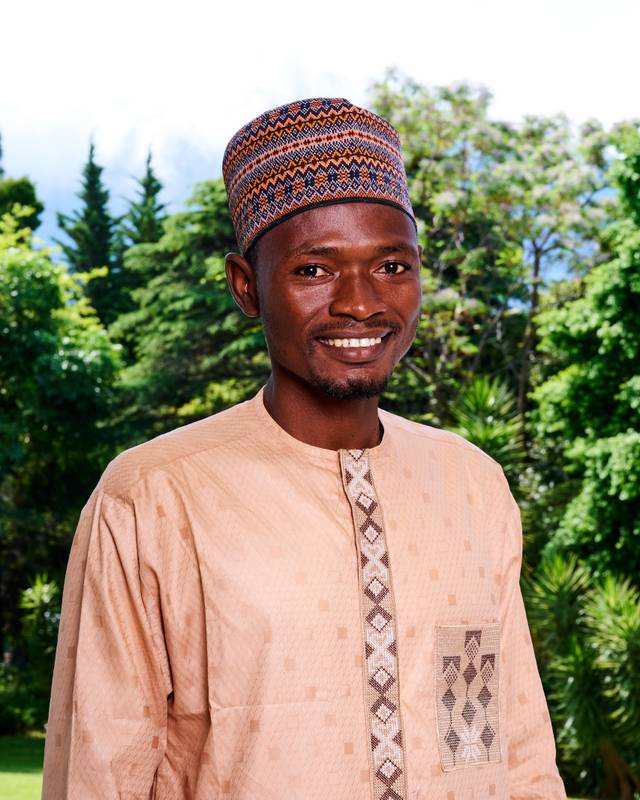
I was scrolling through my Facebook news feed when I came across an advertisement for the Mandela Rhodes Scholarship. Although I had applied in the past, I had forgotten about it—perhaps because I was busy chasing, or rather obsessed with, European scholarships.
I had applied for many scholarships to further my education, but they often served me what felt like unpalatable meals of rejection—meals I had no choice but to swallow. I had put in the hard work: strong essays, solid recommendation letters, and complete applications. Yet, each rejection made me question my worth. So when I revisited the Mandela Rhodes Scholarship website and confirmed that I still met the eligibility requirements, I decided to apply again. I spent three weeks working on my essays, guided by Abraham Lincoln’s words: “Give me six hours to cut down a tree, and I will spend the first four sharpening the axe.”
This time, I was intentional. I was specific. I was personal. I told my story—how I became deaf, the challenges I endured, what motivated me to pursue my education, and how I used my knowledge to uplift my community in ways that aligned with the Foundation’s values.
But halfway through, doubt crept in. I suddenly felt my essays were not good enough, and I gave up. Then, a day before the deadline, something within me whispered: “Ibrahim, submit your application. You have everything ready. It will cost you nothing.”
Feeling encouraged, I returned, reviewed everything, and submitted.
From that moment—through the interview, the leadership retreat, and my arrival in Cape Town—I have come to deeply appreciate the importance of inclusion and how costly, yet essential, it can be. The inclusion of Deaf individuals is often seen as expensive, which is why many organisations hesitate or fail to truly include us. I remember winning a fellowship with another organisation, only to be rejected after they discovered I was deaf. But the Mandela Rhodes Foundation – true to its values of equality, dignity, and integrity – chose differently.
When I was shortlisted for the in-person interview, I faced a challenge: I was not familiar with South African Sign Language (SASL). Although we could opt for a virtual option with Nigerian Sign Language interpreter, I was already halfway through my visa process. Instead of withdrawing me, the Foundation found a way. They made arrangements that ensured I could participate fully. That moment showed me what true inclusion looks like—not convenience, but commitment.
After my selection, I could barely contain my joy. I began learning SASL online, but to my surprise, the Foundation went further by supporting me to learn South African Sign Language with DeafSA. Imagine being deaf and still facing a language barrier in a new country—yet I was not left to navigate it alone.
As the leadership retreat drew closer, my mind was flooded with questions. I was the only deaf scholar—how would I navigate the sessions? How would I connect with others? Would I truly belong? But when the retreat began, everything changed.
A day before it started, the Programmes team organised a lunch with me and DeafSA to reflect on how the programme could be more inclusive.
When the Leadership Retreat began, I did not want it to end. I felt at home. Both the Programmes team and my fellow scholars were kind and accommodating. I learned so much—from leadership sessions and the Enneagram to co-crafting and African leadership. Our visit to Robben Island and the leadership dinner deepened my reflections. Our ability to work with others during group presentations reminded me of the power of diversity.