

In Class 4, my English teacher at Muthaiga Primary School, Mrs. Agallo, asked the class to write a one-page composition about our weekend. I handed her three.
She stared at the pages, then at me. "Kairũ," she said, with the particular patience of someone choosing not to be exasperated, "I said one page."
"I know," I told her. "But one page is too little to hold all my ideas."
She did not know whether to laugh or to send me to the headteacher. She did a little of both. I was a loud child, loud in voice, loud in thought, loud in dreams. Even then, sitting in that noisy Kenyan classroom, I felt an urgency I could not yet name: to say more, write more, be more. Looking back, that is where the journalist in me was born. Not in a newsroom. In a classroom where my imagination simply refused to shrink.
I carried that loudness through high school, where I wrote for the school magazine and became Junior Editor. As Chair of the Kagumo High School Press and Journalism Club, I led over 200 students and helped organise Journalism Days that brought together young storytellers from across Kenya. Standing in those rooms, I began to understand something important: a voice alone is not enough. What matters is who gets to use one and who never gets the chance.
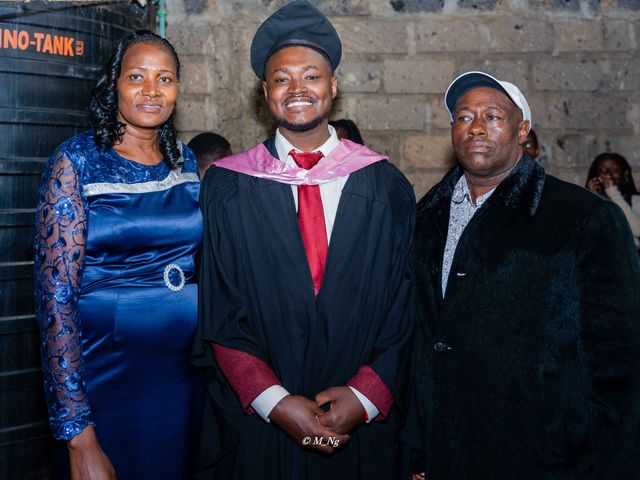
That question followed me to the University of Nairobi. I studied journalism, served as Class Representative and later as Chairperson of the Journalism Students Association (NUJOSA), representing over a thousand students. Leadership, I learned, is not about being the loudest person in the room. It is about listening, amplifying and making space for others to grow. But the more I grew, the more I saw who was being quietly left behind.
Africa is the youngest continent on earth. More than 400 million Africans are between the ages of 15 and 35, and by 2030, young Africans are projected to make up 42 percent of the world’s youth population. Yet across the continent, millions of young people continue to face shrinking opportunities and rising economic exclusion.
In Kenya, the crisis is especially stark: the Federation of Kenya Employers estimates that unemployment among Kenyans aged 18 to 34 stands at around 67 per cent. Every year, over one million young Kenyans enter the labour market, many without adequate skills or a fair shot at the opportunities that do exist. This is not an accident of circumstance. It is the result of systems that were never designed to include them.
I watched this play out in real life. A member of parliament stood up at a public gathering and proudly announced they had secured government jobs for youth from their community. No interviews. No open applications. No public listing. I sat there thinking, somewhere out there is a more qualified young person who never even heard about this opportunity because it was never meant to reach them.
Most people start a WhatsApp group to plan a trip that never happens or to debate the ethics of who ate the office yoghurt. I started one at the University of Nairobi to share journalism job links with my classmates. It was not a grand plan; it was frustration. Opportunities were circulating quietly in certain circles, reaching some people and skipping others entirely, not based on talent, not based on work, but based on who happened to know the right person at the right time. So I made a group, started pasting links, and invited the people sitting next to me in class. Eleven people. A few links a week.
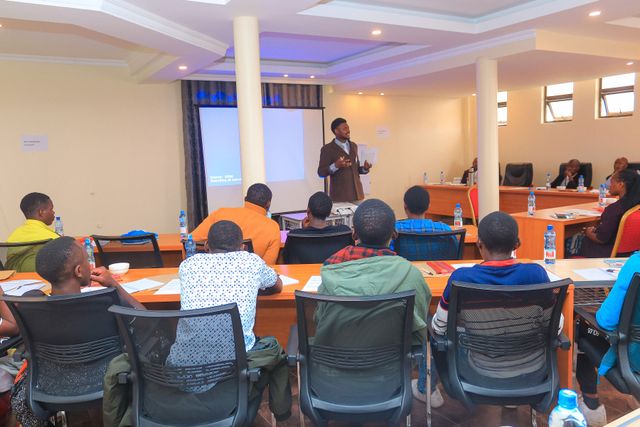
Then it grew. People added people. Journalists outside Nairobi joined. Journalists outside Kenya joined. The conversation kept moving: job listings, fellowship calls, pitching opportunities, all in one place, open to anyone who wanted in. By the time I looked up, what had started as a simple WhatsApp group had become the Journalism and Media Opportunities community, now LinkedIn's largest network for journalists globally, with over 230,000 members and a newsletter reaching more than 130,000 professionals every week. This led me to being recognised by The Iconic Brand Africa in 2024 as one of the Top 10 Exceptional Professionals in Public Relations & Media in Africa (2024).
These realities have shaped the kind of storyteller I have become, one committed to documenting both injustice and resilience. In 2024, this work was recognised through the Wangari Maathai Young Journalist Award at the All Africa Media Awards for MASHUJAA, a documentary highlighting community-led alcohol rehabilitation efforts in Kenya and the power of grassroots healing initiatives.
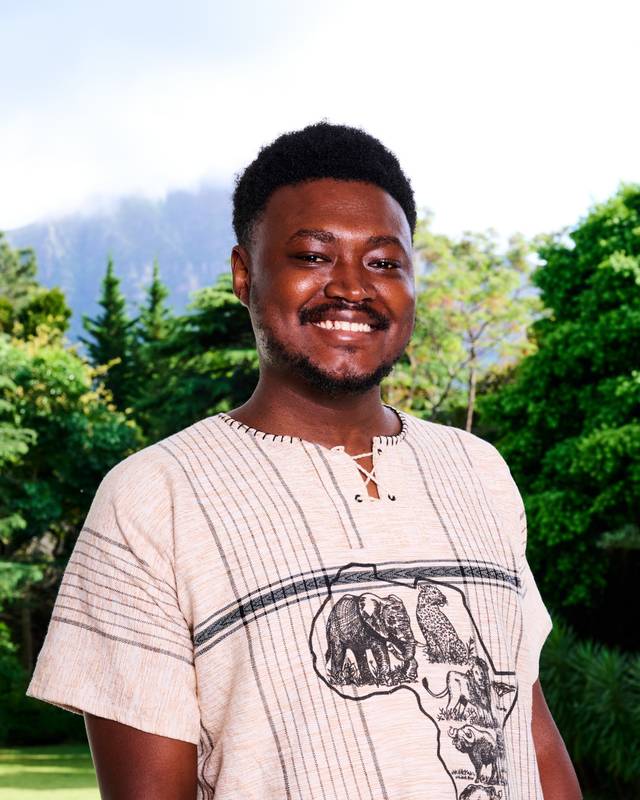
That conviction is what brought me to the University of Cape Town, where I am now pursuing a Master of Documentary Arts as a scholar of the Mandela Rhodes Foundation. There, I am deepening my understanding of storytelling not just as an art form but as a tool for memory, justice, and social change across Africa.
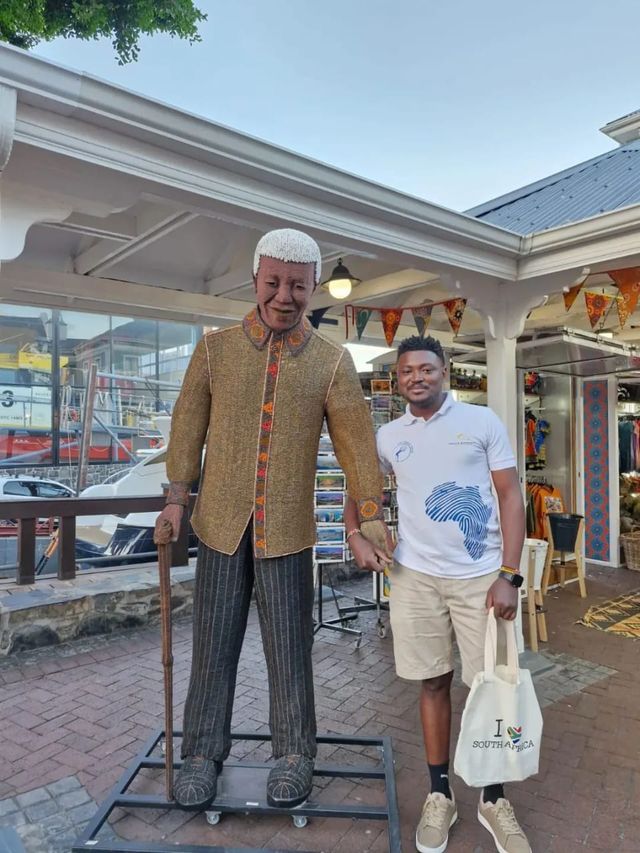
One page was never going to be enough. But a community of 230,000? That finally feels like enough room for voices that were once ignored, overlooked, or locked out. Even so, the work is far from over. And it was never meant to belong to one person alone. It belongs to all of us who believe that opportunities should be shared, stories should be heard, and no young person should have to beg for a seat at the table.